

 ■See the program
■See the speaker profiles
The Japan Climate Initiative (JCI) hosted the Japan Climate Action Summit (JCAS) 2026 on Friday, October 02, 2026.
Advancing decarbonization is no longer a matter of addressing a single challenge. We are navigating an increasingly complex landscape in which multiple considerations—including energy security, coexistence with nature, and resource constraints—must be addressed simultaneously.
Recent energy crises and shifts in the international landscape have exposed the vulnerabilities of societies dependent on fossil fuels. The extraction and use of fossil fuels are also closely linked not only to accelerating climate change, but also to impacts on ecosystems and growing resource constraints. While the transition to renewable energy is essential, its deployment must also take into account coexistence with local communities and the natural environment, as well as the sustainable use of resources.
Addressing these challenges requires an integrated perspective that recognizes the interconnections among energy, nature, and resources, rather than treating them as separate issues. The Japan Climate Action Summit (JCAS) 2026 explored these challenges from three perspectives: the realities of the energy crisis and the transition to renewable energy; the implementation of nature-positive approaches and the circular economy; and corporate decision-making in the face of multiple, interconnected challenges. Through these perspectives, the Summit sought to build a holistic understanding of the challenges and discussed how integrated approaches can be put into practice to address them.
In an era where there is no single optimal solution, how should we set priorities and translate them into action? Through discussions among speakers representing diverse perspectives, the Summit explored practical pathways forward and provide participants with insights that can inform their own actions and decision-making.
Japan Climate Action Summit: JCAS 2026
■Date & Time: Friday, October 2, 2026, 2:00 PM-6:00 PM JST (The networking to follow*), Room opens at 1:15 PM
■Options to participate:
Onsite: U Thant International Conference Hall, United Nations University (3rd Floor)
Address: 5-53-70 Jingumae, Shibuya-ku, Tokyo
Access Information: https://maps.app.goo.gl/AcJQarbWrovsRFdMA
Online: Zoom webinar
■Interpretation: Japanese – English simultaneous interpretation
■Participation Fee: Free
■Organized by Japan Climate Initiative (JCI)
■Registration: Advance registration is required:
Onsite participation registration: Closed
Online viewing registration: Closed
*The networking offered only to in-person attendees of the Summit’s main program.
Recorded Video (full-length)
The videos for each part can be accessed directly from the “Recorded Video” link in the program below.
1. Opening Remarks Recorded Video
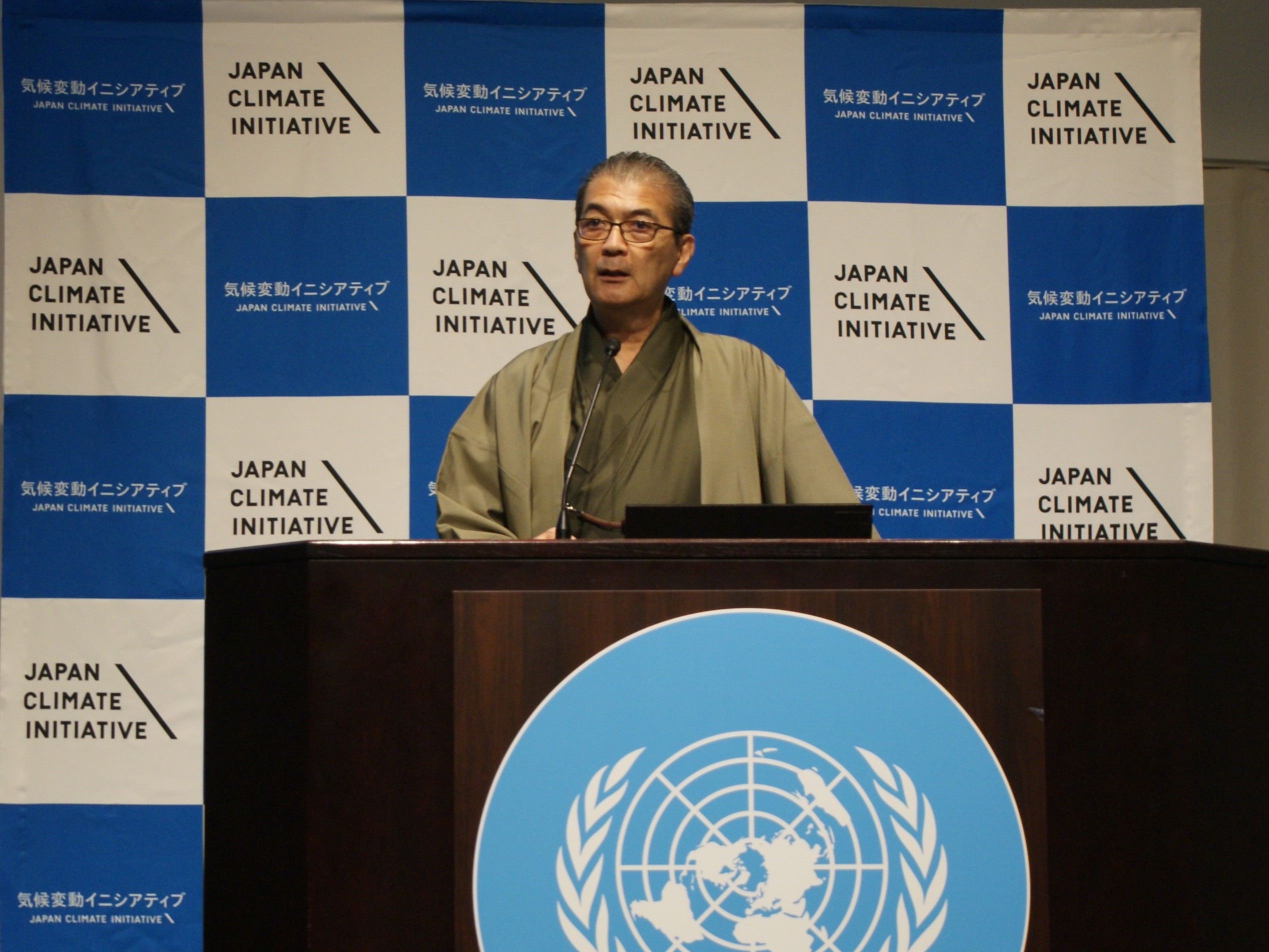
Sergio Shigeo Kato, Co-representative, Japan Climate Initiative
2. Message from the United Nations Recorded Video
Selwin Hart, Special Adviser to the United Nations Secretary-General on Climate Action and Just Transition and Assistant Secretary-General for the Climate Action Team

3. Keynotes Speech
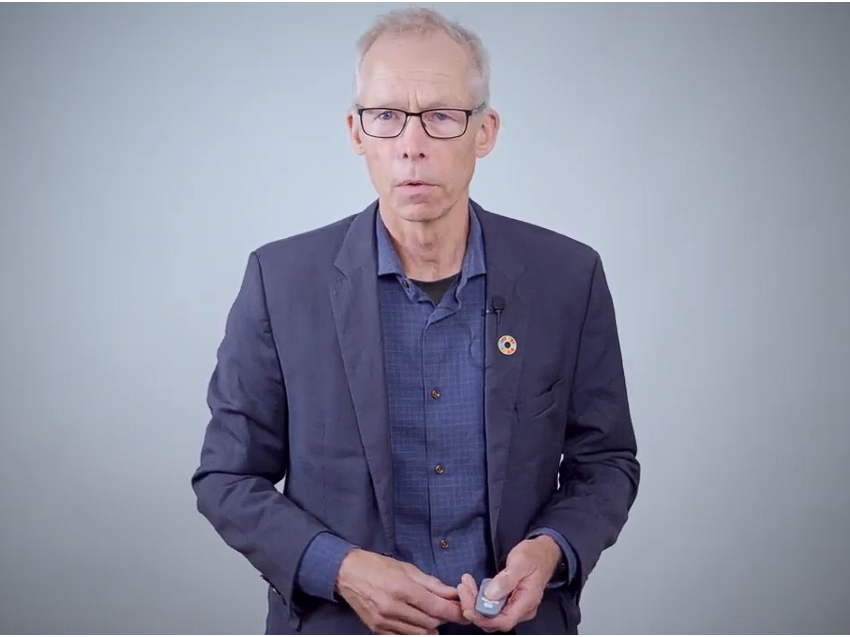
Johan Rockström (Video Message), Director of the Potsdam Institute for Climate Impact Research, Professor in Earth System Science at the University of Potsdam, Professor in Water Systems and Global Sustainability at the Stockholm University
Recorded Video Slides
※ Disclaimer (provided by PIK): We kindly ask you neither to publish nor to pass the presentation, especially particular slides, on to third parties. Distribution of entire presentations or parts of such has to be explicitly authorized by the Potsdam Institute for Climate Impact Research.
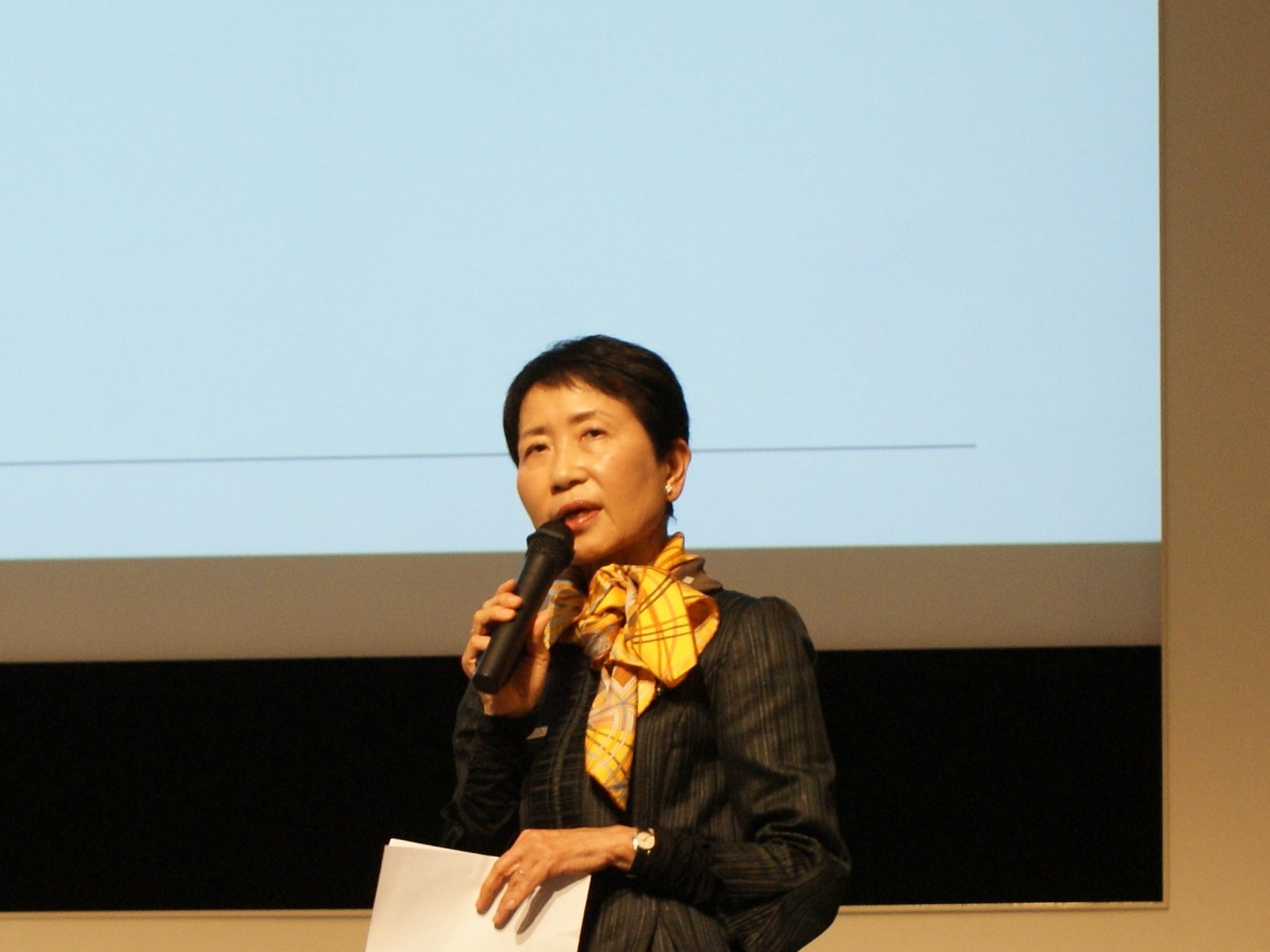
Naoko Ishii, Special Presidential Envoy for Global Commons, The University of Tokyo, Professor and Director of the Center for Global Commons Recorded Video Slides
4. Special Guest Speech Recorded Video
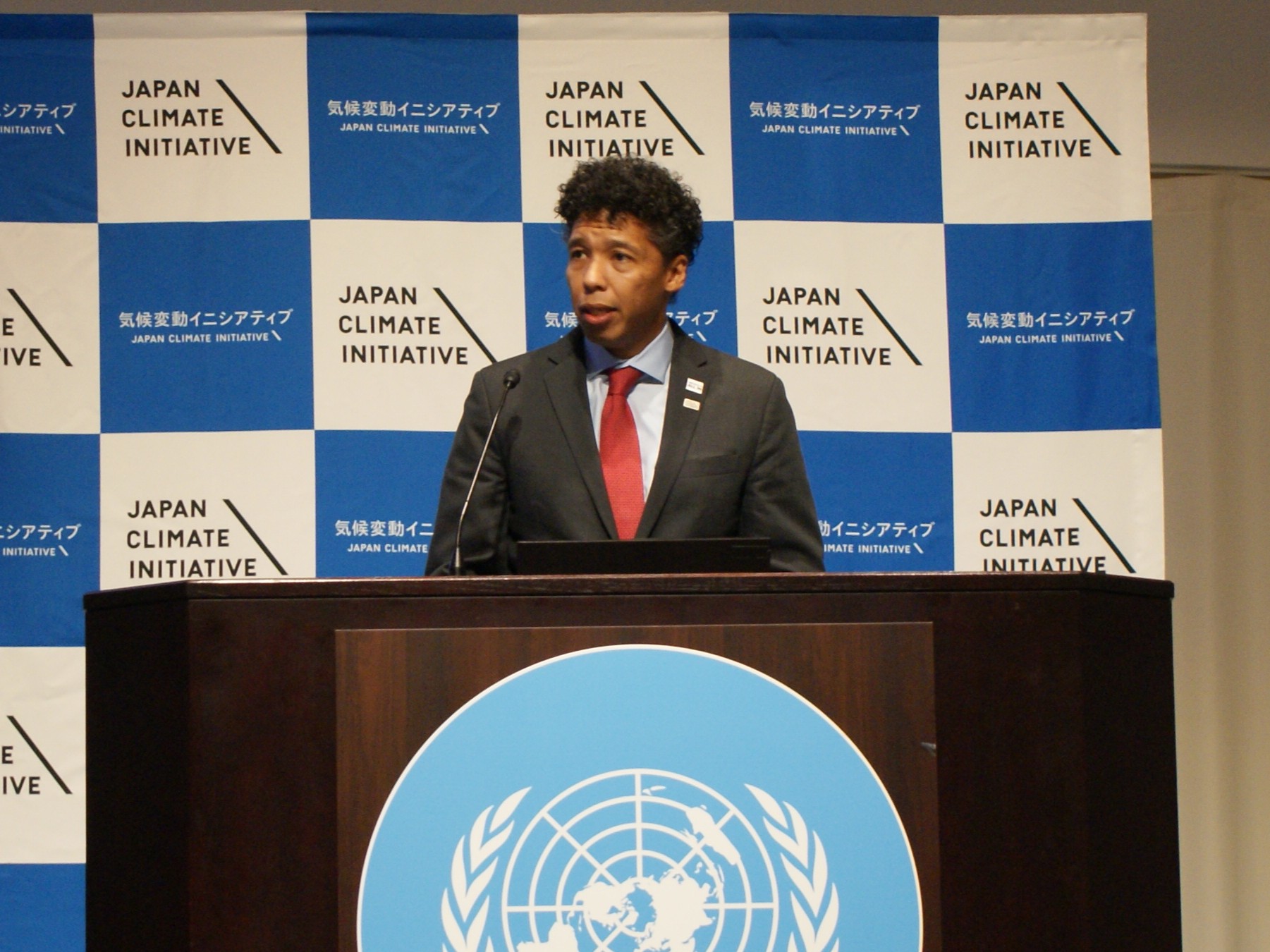
Chris Wheat, Executive Director, America Is All In Slides
5. Panel Discussion (as of August 25)
Session 1: Energy Crisis and Renewable Energy Transition: Why Is Society Being Forced to Choose Now? Recorded Video
Recent energy crises have once again highlighted the risks of supply disruptions and price volatility associated with dependence on fossil fuels. Phasing out fossil fuels is essential not only for addressing climate change, but also for strengthening energy security and enhancing the stability and sustainability of our economies and societies.
This session will explore how the expansion of renewable energy can contribute not only to decarbonization, but also to energy security, economic competitiveness, and societal resilience. Drawing on international energy trends and policy developments, as well as concrete initiatives by businesses and local communities, the session will examine what is needed now to reduce dependence on fossil fuels and accelerate the transition towards a more stable and sustainable energy system.
Speakers
Matt Webb, Associate Director, Global Clean Power Diplomacy, E3G Slides
Ryoko Omuta, Kumamura Shin Denryoku Co., Ltd.
Takeshi Saheki, Environmental Sustainability Lead, Sustainability Business Office, Sustainability Innovation Headquarters, NTT DATA Group Corporation Slides
Mitsuru Takahashi, Director, Kumamura Shin Denryoku Co., Ltd. Slides
Moderator: Kae Takase, Senior Manager, Renewable Energy Institute

Session 2: Nature Positive and the Circular Economy: Achieving Them in Parallel with Decarbonization Recorded Video
Climate change is placing growing pressure on watersheds, ecosystems, and the agriculture and fisheries sectors that depend on them, while creating new risks for corporate sourcing and supply chains. At the same time, finite resources and rising environmental pressures are accelerating the shift toward circular business models.
This session will showcase how companies and local governments are pursuing decarbonization, nature-positive outcomes, and the circular economy in an integrated manner. It will examine the challenges encountered along the way and how organizations engage with key stakeholders. The discussion will also explore how climate action, nature conservation, and resource circularity can work together to generate greater value and impact.
Speakers
Yuriko Iwasaki, Communications, Head of Communications, Unilever Japan Holdings G.K. Slides
Kenta Oshima, General Manager, CSV Strategy Department, Kirin Holdings Company Limited Slides
Hitoshi Miyagaki, Division Director for Coexistence with the OWS (Oriental White Stork), Toyooka City Slides
Moderator: Ken Tanaka, Non-state actor engagement, Climate & Energy Group Officer, WWF Japan
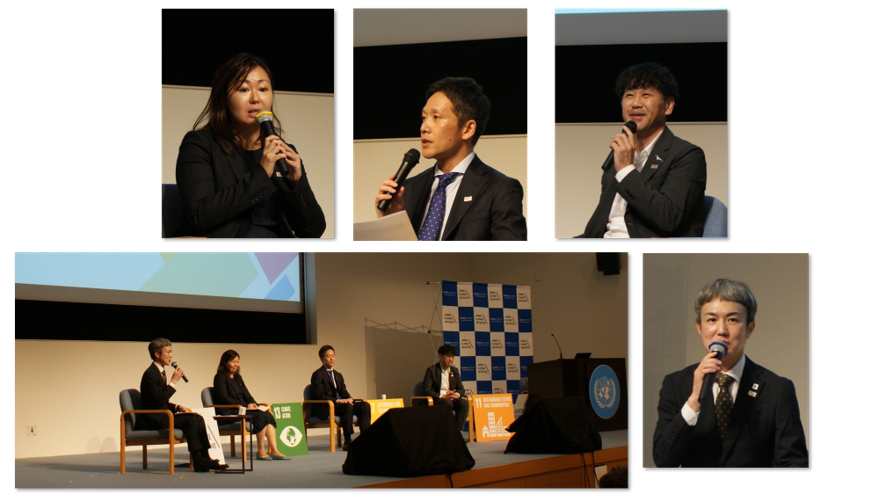
Session 3: Corporate Decision-Making in an Era of Complex Challenges Recorded Video
Against the backdrop of global trends toward achieving decarbonization, Nature Positive, and Circular Economy goals simultaneously, companies are facing multiple interconnected challenges, including energy security, natural capital constraints, and finite resources. These challenges are often accompanied by trade-offs, requiring decision-making in situations where no single optimal solution exists.
This session will explore how Japanese corporate and financial leaders are utilizing international frameworks such as SBTi, TNFD, and ISSB—not merely for target-setting or disclosure compliance, but as tools to visualize interconnected risks and opportunities and to guide investment decisions and business strategies.
Speakers
Masahiro Iwamoto, Senior General Manager, Environmental Management Promotion, Sustainability Management Promotion Department, Nippon Life Insurance Company
Kei Sugii, REPRESENTATIVE DIRECTOR, COO AND PRESIDENT, Prescription Pharmaceuticals Company, TSUMURA & CO.
Kei Takeuchi, Representative Director, CEO, Daito Trust Construction Co., Ltd.
Moderator: Emi Matsukawa, Marketing Director, CDP Japan
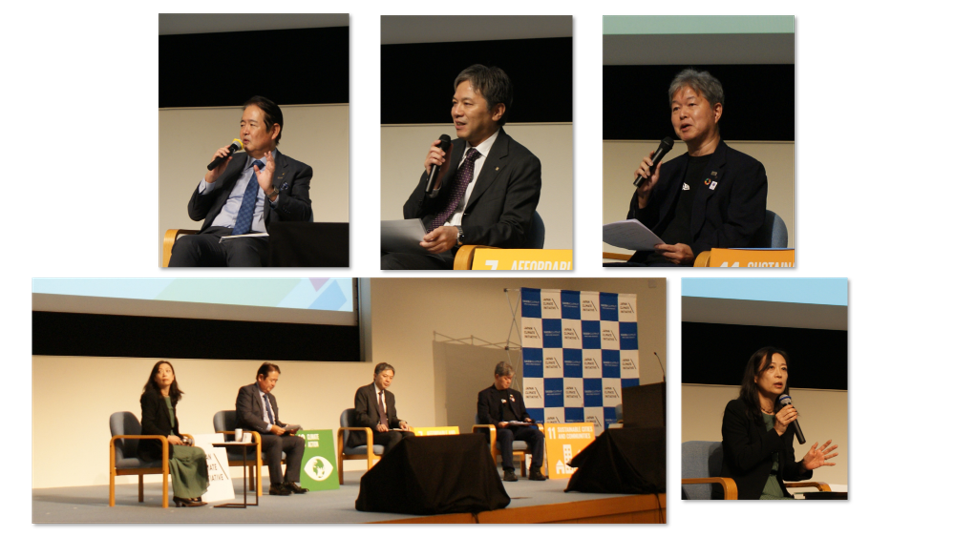
6. Closing Remarks Recorded Video
Takejiro Sueyoshi, Co-representative, Japan Climate Initiative
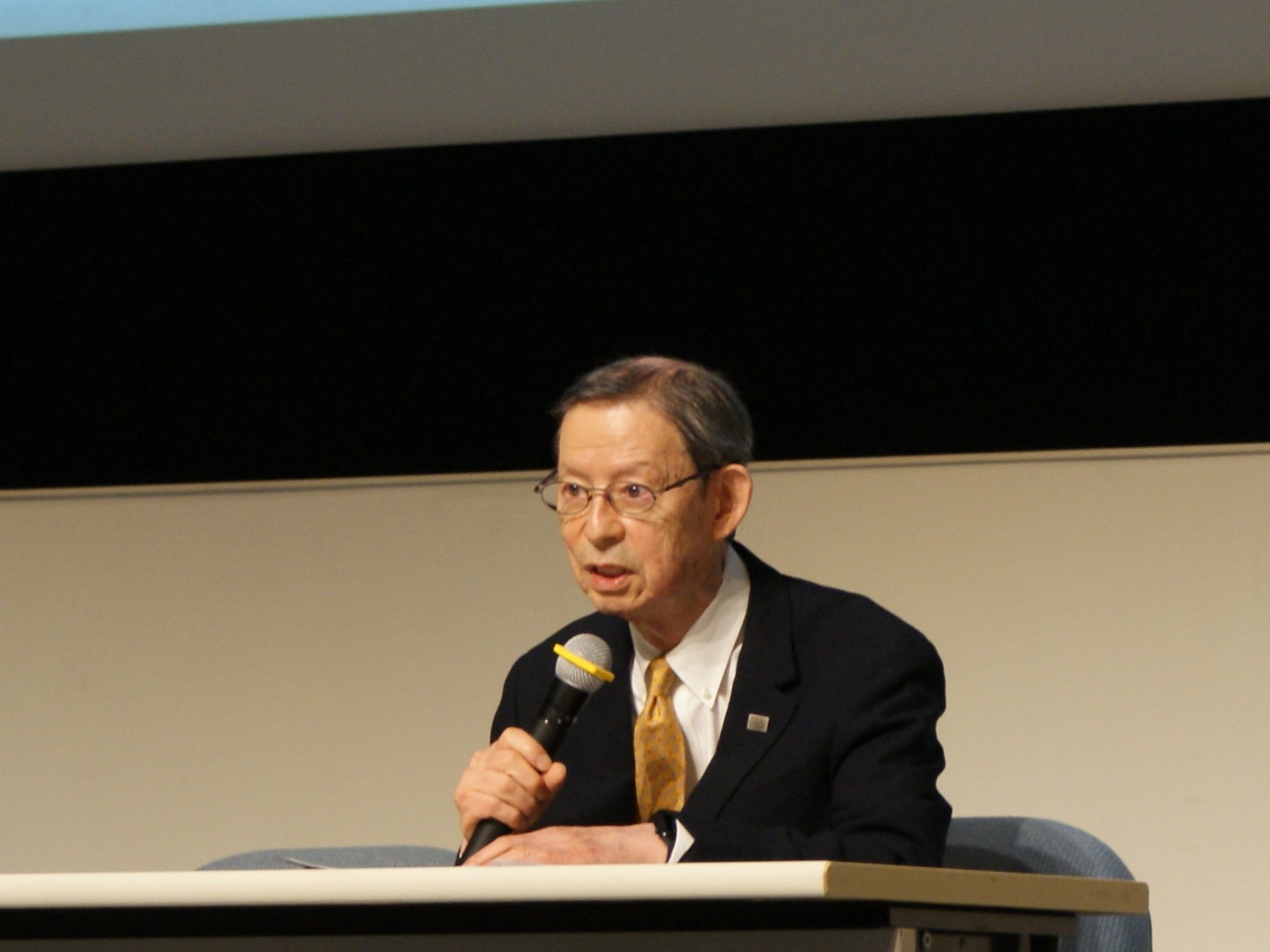
MC
Tomomi Hirakami, Liaison Coordinator, Renewable Energy Institute
The networking will follow the summit (for in-person attendees of the Summit’s main program only).
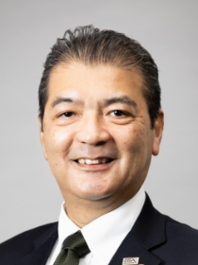 |
Sergio Shigeo Kato, Co-representative, Japan Climate Initiative
After assuming several senior executive positions in Europe and Japan at Ricoh, Sergio Shigeo Kato was appointed General Manager of the Sustainability Management Division in 2015, where he was responsible for developing Ricoh Group‘s decarbonization declaration, driving Ricoh to become the first company in Japan to join RE100, and integrate SDGs values into business, leading the company to adopt ESG-oriented management. Since then, he has collaborated with companies across industries in Japan to resolve social issues related to climate change. He held roles as Co-Chair of the Japan Climate Leaders’ Partnership (JCLP), Board Member of the World Environment Center (WEC) and Board Member of Global Compact Network Japan (GCNJ). He also served as member of the Advisory Panel of Experts on Climate Change established by the Ministry of Foreign Affairs of Japan. Together with Takejiro Sueyoshi, he advocated for creating a network of non-state actors in Japan, and contributed to the establishment of Japan Climate Initiative (JCI) in July 2018.
|
|
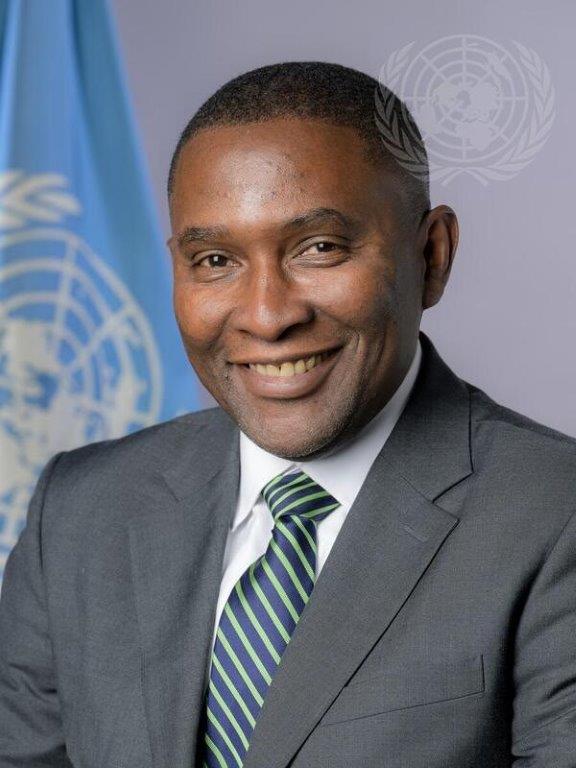 |
Selwin Hart, Special Adviser to the United Nations Secretary-General on Climate Action and Just Transition and Assistant Secretary-General for the Climate Action Team
Mr. Hart was appointed Special Adviser to the Secretary General and Assistant Secretary General in March 2020. The Special Adviser ensures delivery of the Secretary-General’s priorities on climate change. Prior to his appointment, Mr. Hart served as the Executive Director for the Caribbean region at the Inter-American Development Bank (IADB). From 2016 to 2018, Mr. Hart was the Ambassador of Barbados to the United States of America and Permanent Representative of Barbados to the Organization of American States. Before that, he was Director of the Secretary-General Ban Ki Moon’s Climate Change Support Team, leading the team’s delivery of the 2014 Climate Summit and the Secretary-General’s engagements on climate leading to the adoption and the signing of the Paris Agreement. Throughout his career, Mr. Hart has served in several climate action leadership positions, including as a Climate Adviser for the Caribbean Development Bank, Chief Climate Change Negotiator for Barbados, as well as the Coordinator and Lead Negotiator on Finance for the Alliance of Small Island Developing States, a coalition of 43 islands and low-lying coastal States in the Caribbean, Pacific, Africa, Indian Ocean and South China Sea. He was a member of the Kyoto Protocol Adaptation Fund Board from 2009 to 2010 and was elected by the United Nations General Assembly to serve as Vice-Chair of the Second Committee of the United Nations General Assembly (Economic and Financial) during its sixtieth Session. Mr. Hart holds a bachelor’s degree from the University of the West Indies and master’s degree from Fordham University.
|
|
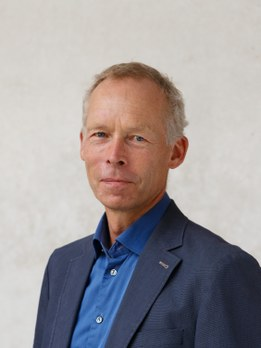 |
Johan Rockström, Director of the Potsdam Institute for Climate Impact Research, Professor in Earth System Science at the University of Potsdam, Professor in Water Systems and Global Sustainability at the Stockholm University
He is an internationally recognized scientist on global sustainability issues and led the development of the Planetary Boundaries framework for human development in the current era of rapid global change. Professor Rockström is a leading scientist on global water resources, with more than 25 years experience in applied water research in tropical regions, and more than 150 research publications in fields ranging from applied land and water management to global sustainability. He is i.a. chair of the Earth Commission, a member of the leadership council of the United Nations Sustainable Development Solutions Network (SDSN), and elected member of the German Academy of Sciences Leopoldina and the Royal Swedish Academy of Sciences.
|
|
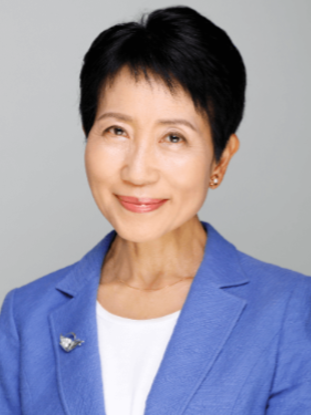 |
Naoko Ishii, Special Presidential Envoy for Global Commons, The University of Tokyo, Professor and Director of the Center for Global Commons
Naoko Ishii has dedicated her career to safeguarding the global commons – our stable and resilient earth system, that serves as the bedrock of human prosperity and yet is under threat by the current economic system. In her efforts to bring about a transformation in this system, she became an inaugurating director for the Center of Global Commons at the University of Tokyo in 2020 with aim at building a multi-stakeholder coalition in Japan and forge partnerships with international allies for systemic change. Before U-Tokyo, she serves as CEO and Chairperson for the Global Environment Facility (GEF) from 2012 to 2020. She brings her expertise to global discourse by joining the Independent High-Level Expert Group on Climate Finance, Global Commission on the Economics of Water (GCEW), and Planetary Guardians, among others. Her earlier roles include Deputy Vice Minister of Finance in Japan, senior positions at the World Bank and IMF.
|
|
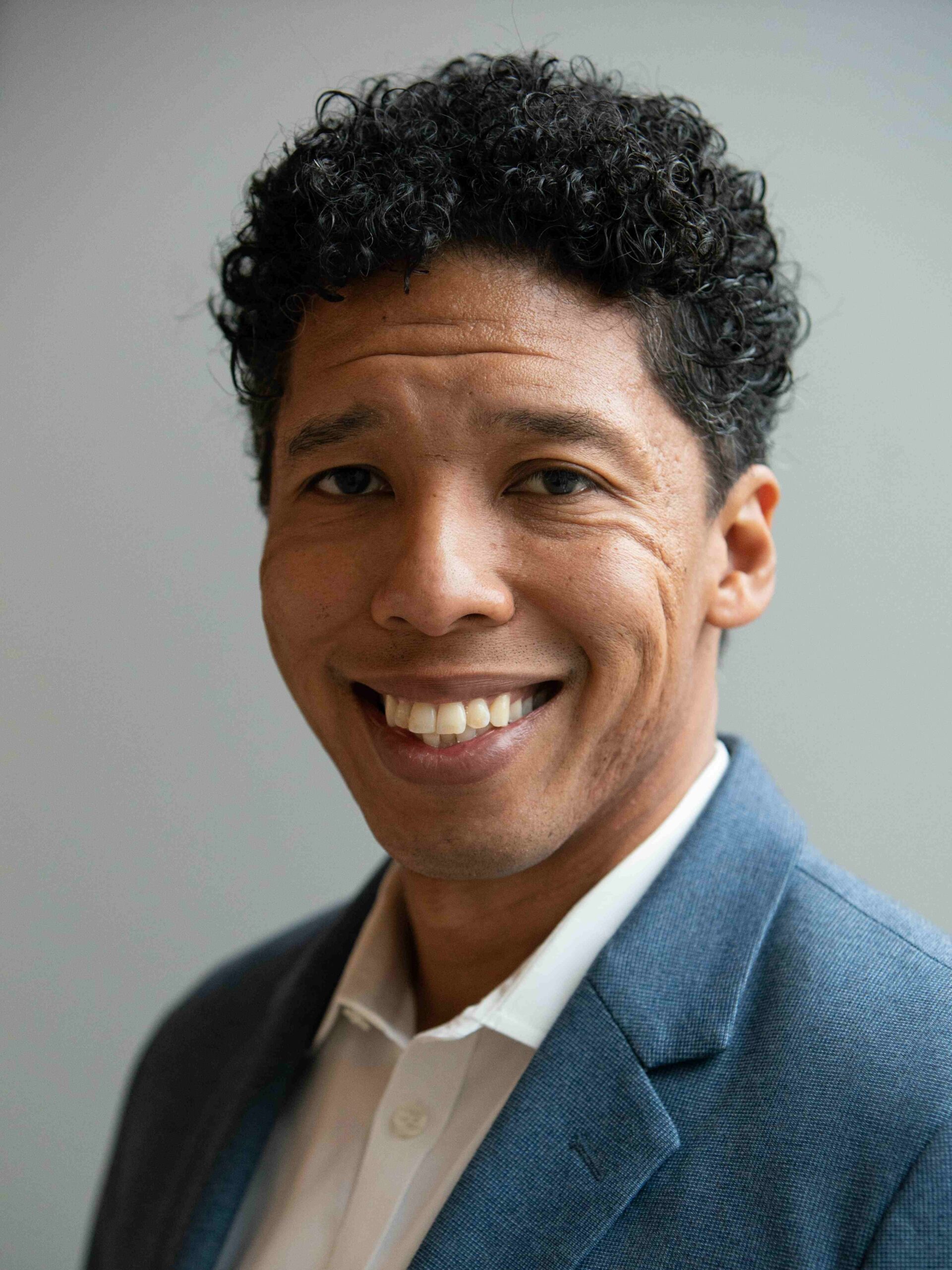 |
Chris Wheat, Executive Director, America Is All In
Chris Wheat has more than two decades of experience in environmental policy and politics, the private sector, and academia. As Chief Sustainability Officer and Senior Policy Advisor for the City of Chicago, Wheat led the city’s environmental agenda and secured a Mayoral Executive Order committing Chicago to reduce its emissions in line with the Paris Agreement. He served as the Executive Director of the Stigler Center for the Study of the Economy and the State at the University of Chicago Booth School of Business, and advised mayors and city officials on their climate strategies at the Natural Resources Defense Council. Most recently, Wheat served as Managing Director of Policy & Government Affairs at Sustainable Cities Fund. A native of Little Rock, Arkansas, Chris holds a BA from Washington University in St. Louis and an MBA from Chicago Booth, where he also serves as an Adjunct Associate Professor of Strategy. He resides in Chicago with his wife and two children.
|
|
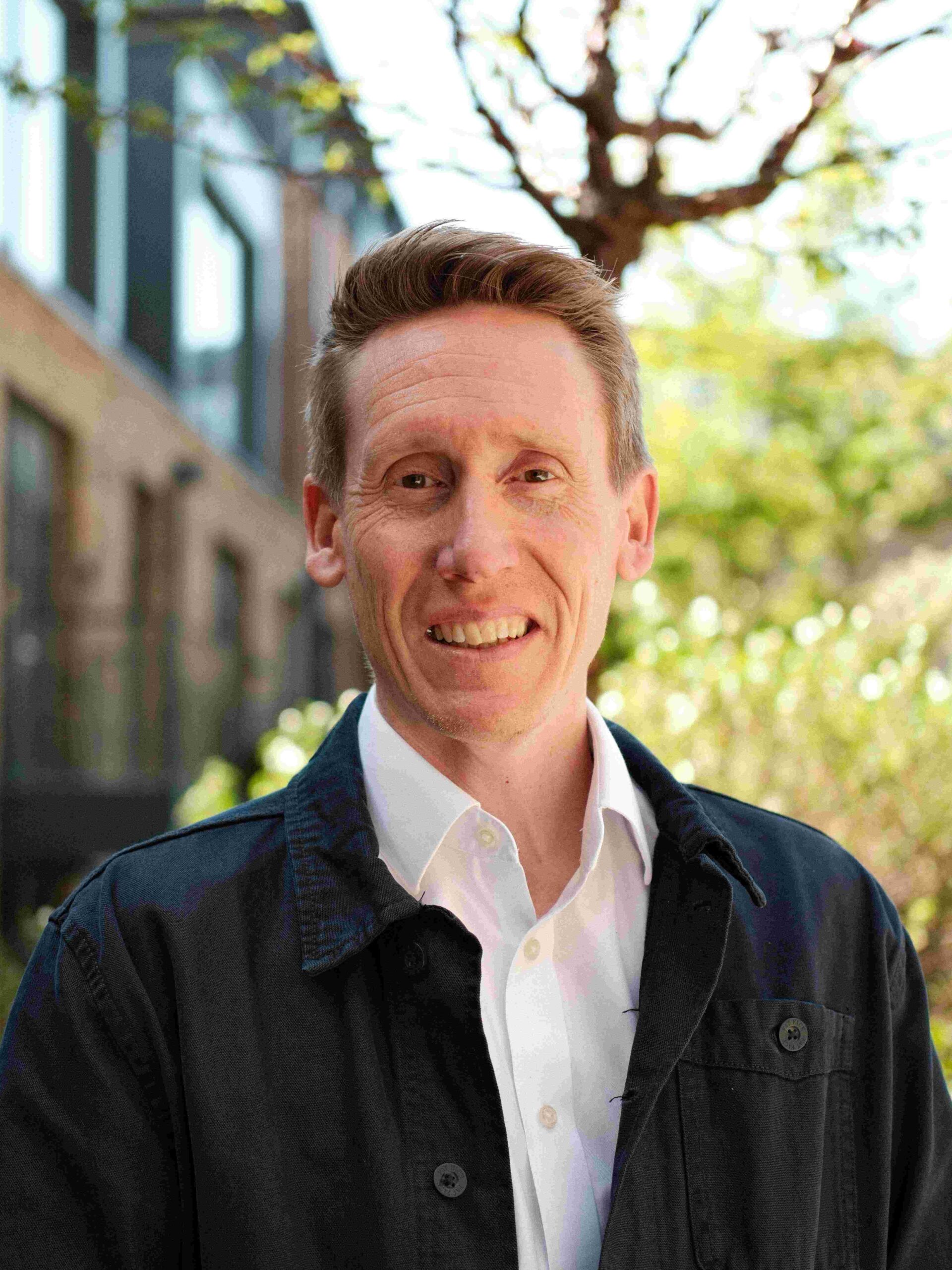 |
Matt Webb, Associate Director, Global Clean Power Diplomacy, E3G
Matt Webb is the Associate Director for Global Clean Power Diplomacy team leading E3G’s work on energy transition diplomacy. Matt’s work focusses on driving high ambition outcomes on the diplomacy of delivery of multilateral and bilateral commitments to accelerate the global energy transition. His team provides support for high-profile international initiatives focused on accelerating the Energy Transition internationally, including the Powering Past Coal Alliance, Energy Transition Council and Clean Energy Transition Partnership. Matt has worked at a number of UK Government departments on a wide range of energy and climate policies since 2003, including: Department for Energy and Climate Change, on energy efficiency, heat policy and 2050 Pathways analysis; Foreign and Commonwealth Office, in support of the demonstration of Carbon Capture and Storage; Department for Environment Food and Rural Affairs, implementing the Near Zero Emissions Coal collaboration on CCS with China, and the Department for Transport, working on cleaner fuels and vehicles and the environmental impact of aviation. Most recently, he was Deputy Director in the International Climate Change division of the Department of Energy Security and Net Zero, and provided leadership oversight to a number of international initiatives aimed at driving action on the global energy transition, including the Green Grids Initiative and the Power Breakthrough. Matt has a degree in Chemistry from Oxford University a PhD in Physical Chemistry from Cambridge.
|
|
 |
Ryoko Omuta, Kumamura Shin Denryoku Co., Ltd.
As a member of a community-based energy company, she is involved in a wide range of activities, including retail electricity services, collaboration with local governments, community events, environmental education programs, and engagement initiatives that foster dialogue with local residents. As a resident of the community herself, she communicates the purpose and value of community energy from the same perspective as the people it serves.
|
|
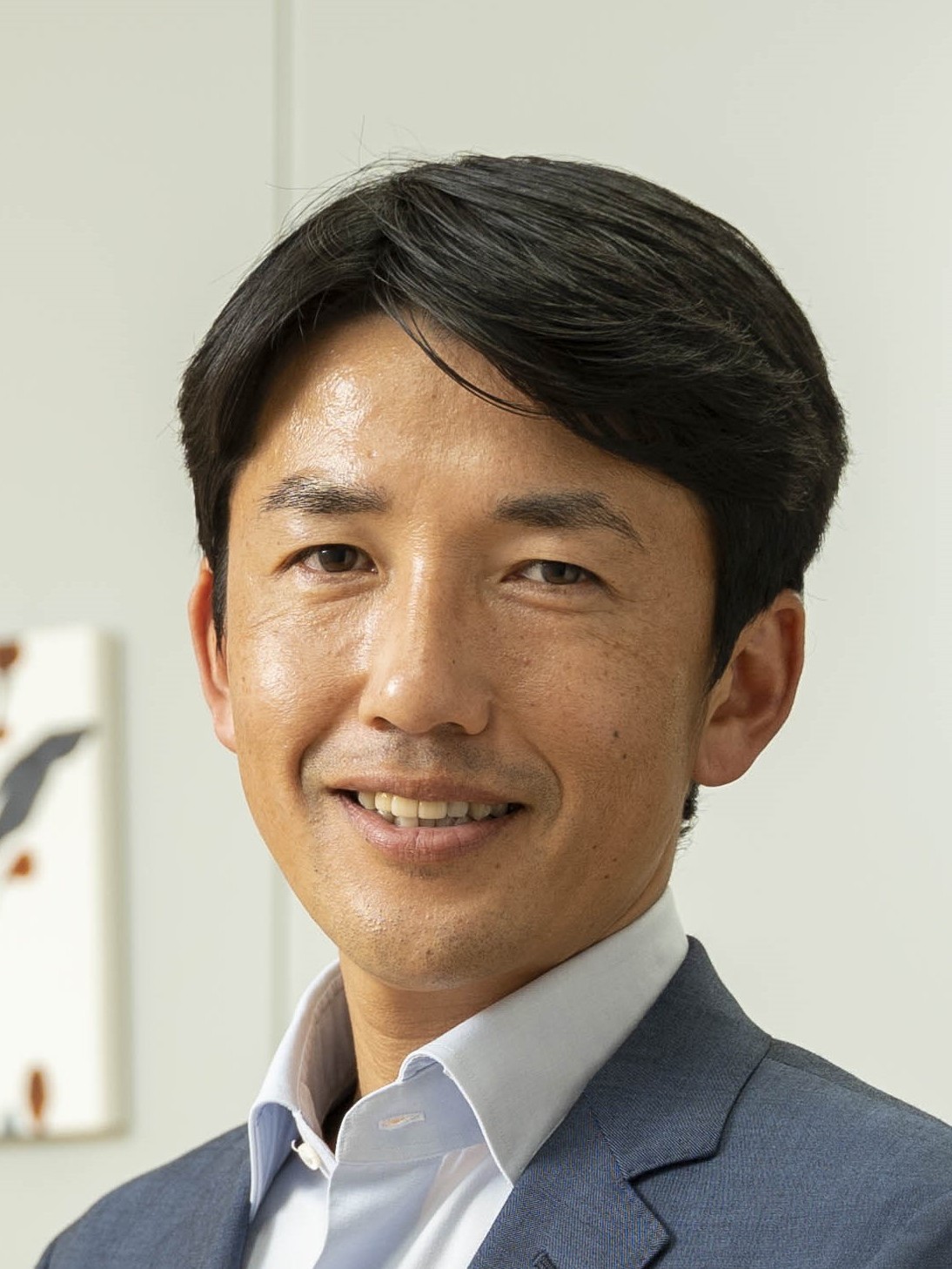 |
Takeshi Saheki, Environmental Sustainability Lead, Sustainability Business Office, Sustainability Innovation Headquarters, NTT DATA Group Corporation
Leads environmental sustainability efforts across the NTT DATA Group, overseeing the development of governance frameworks for sustainability management and spearheading the company’s decarbonization agenda. Until 2022, served at the Japan International Cooperation Agency (JICA), where he worked on climate change initiatives, water and environmental management, and infrastructure development in international development settings. He holds graduate degrees in Environmental and Societal Engineering from Ritsumeikan University and Urban Engineering from The University of Tokyo, as well as an MSc in Water and Environmental Management from Loughborough University. He is a certified Professional Engineer in the Water Supply and Sewerage discipline.
|
|
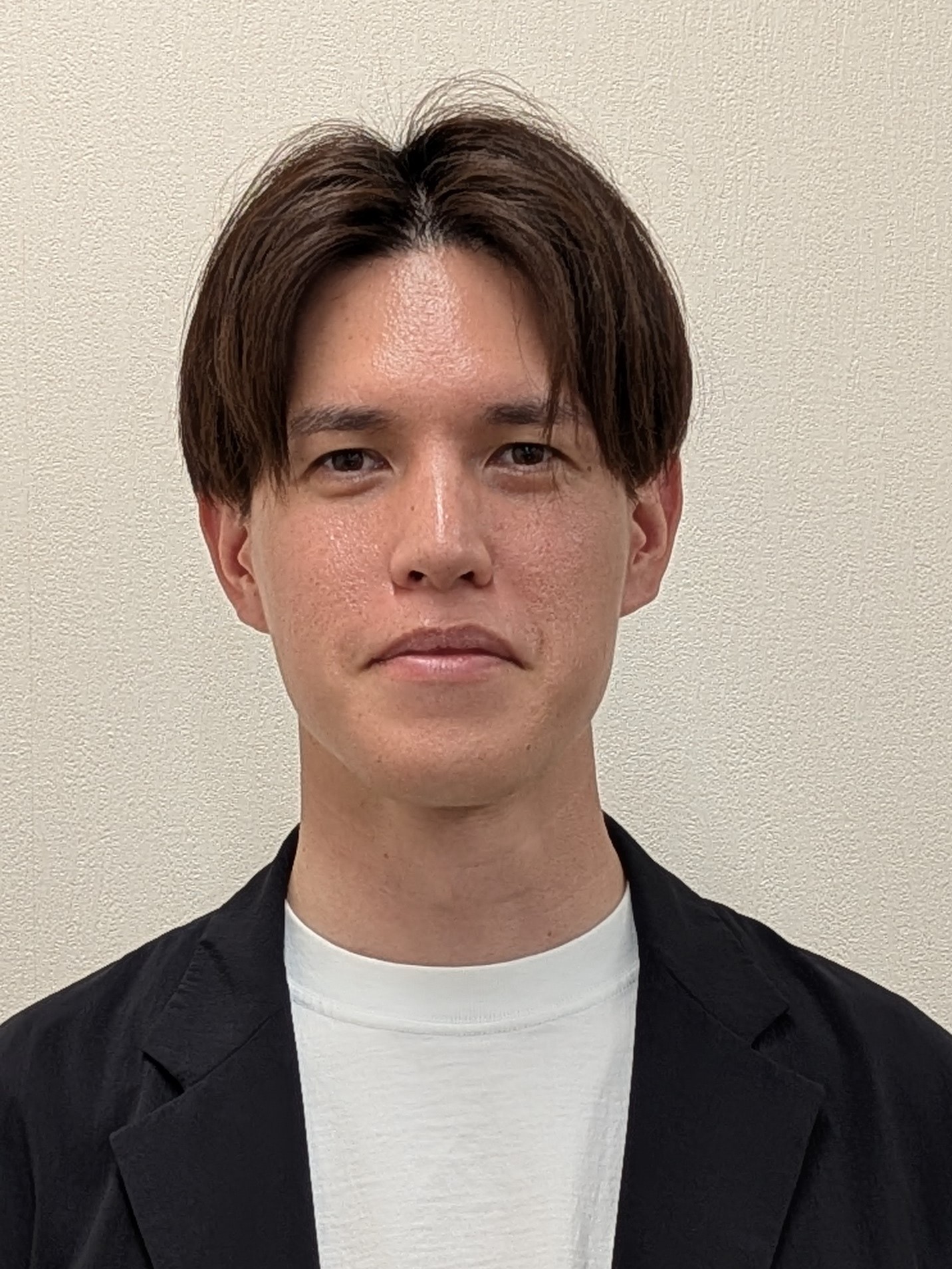 |
Mitsuru Takahashi, Director, Kumamura Shin Denryoku Co., Ltd.
Born in Saitama Prefecture in 1988, he graduated from the University of Electro-Communications. After careers in law enforcement and agriculture, he joined Recross Expansion Co., Ltd. as an environmental consultant. Following the 2020 heavy rainfall disaster, he relocated to Kumamoto and became engaged in regional recovery initiatives while developing the business of Kuma Village Forest Power Co., Ltd., a local energy company.
|
|
 |
Kae Takase, Senior Manager, Renewable Energy Institute
Kae Takase joined Renewable Energy Institute in 2023. Previously she was Associate Director at CDP Worldwide-Japan, where she was responsible for helping Japanese companies and investors to set science-based targets (SBT), procure renewable electricity (RE100), and disclose TCFD-aligned sustainability information. She worked as a modelling analyst at the Institute of Energy Economics, Japan, the Research Institute of Innovative Technology for the Earth, and Center for Low Carbon Society Strategy under the Japan Science and Technology Agency, built and ran Integrated Assessment Model for Climate Change, Computable General Equilibrium Model, Econometric Model, Energy System Model, bottom-up model for the energy system. She also initiated and conducted pilot projects for ‘Pay as You Save’ scheme for solar power and other energy efficiency improvement measures in several municipalities. She graduated from Keio University (B.A., M.A.) and the University of Tokyo (PhD). She has also spent a year in Yongin University in South Korea to devote herself to taekwondo and take a break from research.
|
|
 |
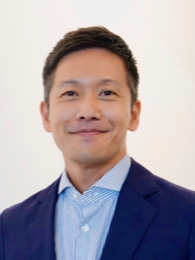
Yuriko Iwasaki, Communications, Head of Communications, Unilever Japan Holdings G.K.
Yuriko Iwasaki is Head of Communications and Corporate Affairs at Unilever Japan. She leads corporate communications, corporate affairs and stakeholder engagement, supporting Unilever’s sustainability and business agenda in Japan. Prior to joining Unilever in 2023, she held communications and marketing leadership roles at IKEA Japan. She holds a degree in International Relations from the University of Tsukuba.
|
|
 |
Kenta Oshima, General Manager, CSV Strategy Department, Kirin Holdings Company Limited
Kenta Oshima joined Kirin Brewery Company in 2003. He has built experience across the value chain, working in both beer production and raw material procurement.
|
|
 |
Hitoshi Miyagaki, Division Director for Coexistence with the OWS (Oriental White Stork), Toyooka City
In 2002, assigned to the newly established Oriental White Stork Coexistence Promotion Division, which was created to support the reintroduction of the Oriental White Stork into the wild. Prior to the first release of captive-bred storks in 2005, he was involved in habitat restoration and the promotion of the “Stork-Friendly Farming Method,” an agricultural approach designed to support biodiversity and stork conservation. Following the reintroduction, he also played a key role in advancing environmental education initiatives. After working on population decline countermeasures and tourism promotion, he returned to the Stork Coexistence Division. For nearly 20 years, he has been engaged in the Oriental White Stork reintroduction project. Currently, he is also responsible for climate change policy and leads initiatives such as the Ministry of the Environment’s Leading Decarbonization Regions Program. Through both biodiversity conservation and decarbonization efforts, he is committed to regional revitalization and sustainable community development. Publications Oriental White Storks: Reviving the Satoyama Landscape (Tsunagatteru yo Inochi no WA! Series), Komineshoten, July 2014.
|
|
 |
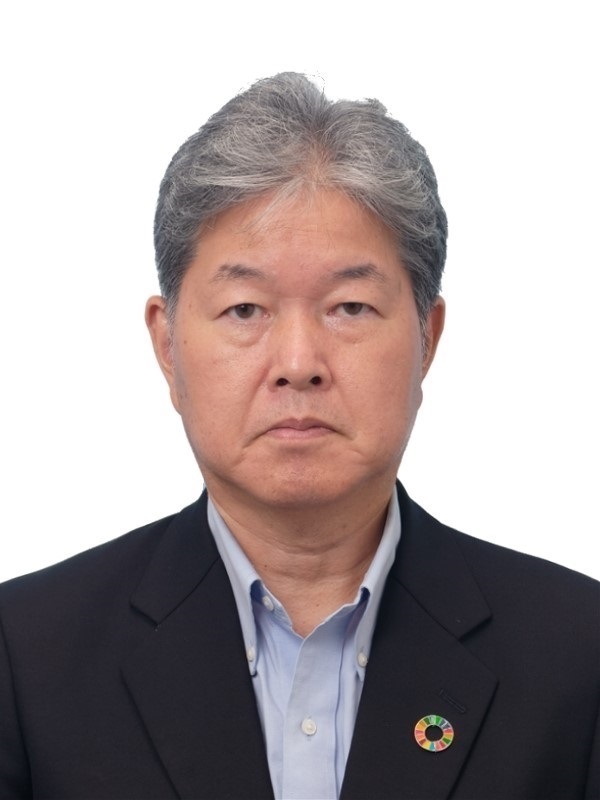
Ken Tanaka, Non-state actor engagement, Climate & Energy Group Officer, WWF Japan
Ken Tanaka works for WWF Japan and serves as the secretariat of the Japan Climate Initiative (JCI) that is co-organized with CDP Japan and Renewable Energy Institute. Before joining WWF-Japan, he worked the Fukuoka Prefectural Government and the Ministry of Economy, Trade and Industry in environmental conservation, especially in waste management and recycling including the work supporting the Japanese companies to develop overseas recycling businesses. After that, he worked as a science communicator at the National Museum of Emerging Science and Innovation, and he was actively involved in a diverse of projects cooperating with overseas museums, businesses, research institutions etc. He holds a Master of Science in chemistry from Kyushu University.
|
|
 |
Masahiro Iwamoto, Senior General Manager, Environmental Management Promotion, Sustainability Management Promotion Department, Nippon Life Insurance Company
After graduating from the Faculty of Economics at Osaka University in 1987, he joined Nippon Life Insurance Company. Throughout his career, he has held a number of senior positions, including General Manager of the Administrative Risk Management Office and Senior Manager of the Financial Institutions Division I. He also gained experience through secondments to the Nippon Life Hospital Foundation and the Nippon Life Foundation. Since 2019, he has been engaged in environmental initiatives within the company’s CSR Promotion Department. He subsequently served in the Corporate Promotion Department and the Sustainability Planning Office before assuming his current position in 2024. In his current role, he is responsible for advancing environmental management and sustainability initiatives across the Nippon Life Group. His work includes promoting a wide range of measures related to decarbonization, climate action, and broader environmental challenges.
|
|
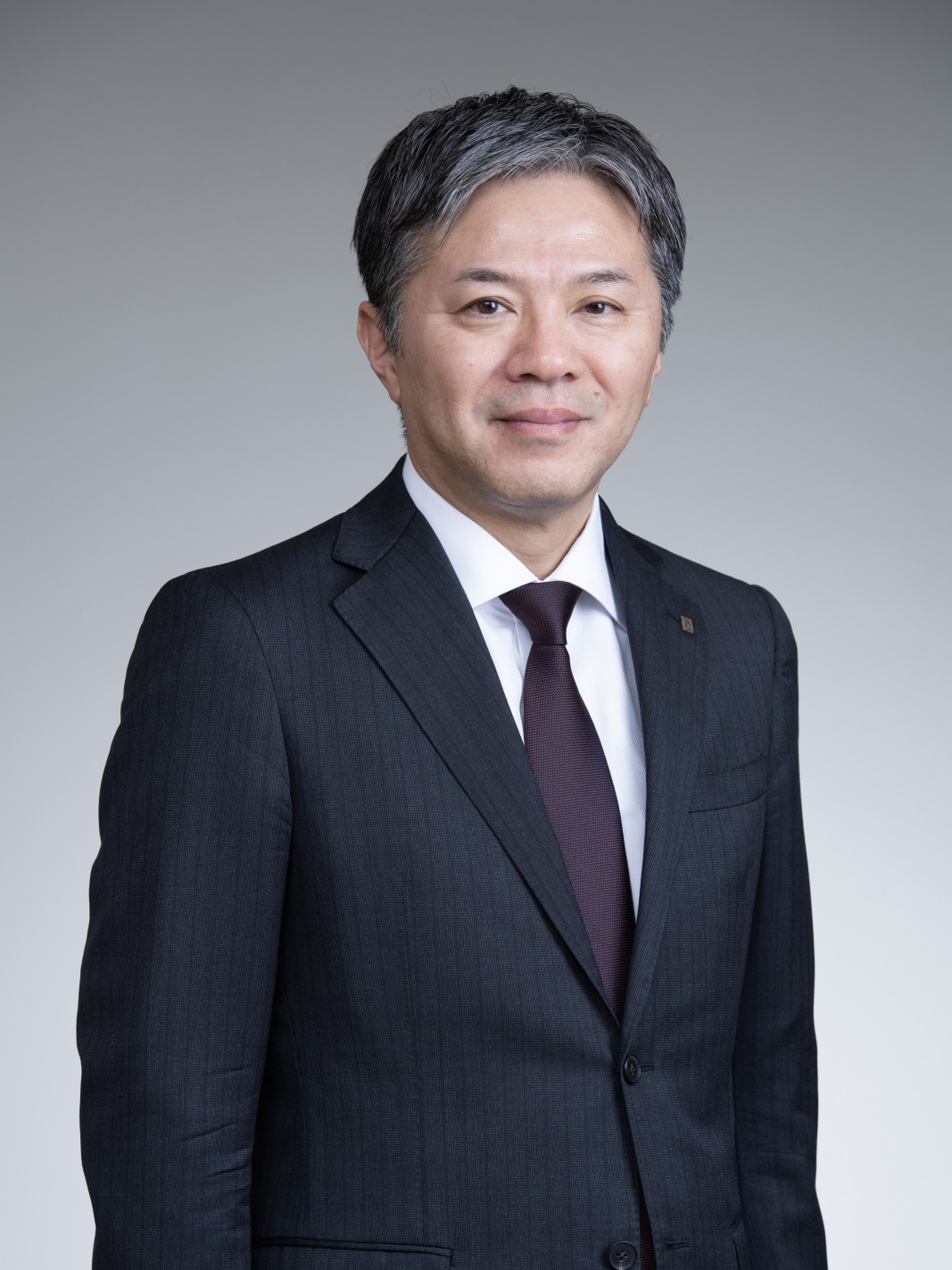 |
Kei Sugii, REPRESENTATIVE DIRECTOR, COO AND PRESIDENT, Prescription Pharmaceuticals Company, TSUMURA & CO.
Kei Sugii was born in 1969. He earned a master’s degree from the Graduate School of Engineering at Meiji University. After working for Mitsubishi Yuka Engineering Corporation (now Mitsubishi Chemical Engineering Corporation) and Accenture Japan Ltd., he joined Tsumura & Co. in 2009. At Tsumura, he has been engaged in business operations in Japan and overseas, primarily in the areas of logistics, supply chain management (SCM), and manufacturing. He has held several key leadership positions, including Chairman and General Manager of Shenzhen Tsumura Pharmaceuticals Co., Ltd., Head of the Accounting & Production Division, and Co-Chief Operating Officer (Co-COO). Since June 2026, he has served as Representative Director, Chief Operating Officer (COO), and President of the Prescription Pharmaceuticals Company. In these roles, he has been leading the Tsumura Group’s business growth initiatives and efforts to enhance corporate value.
|
|
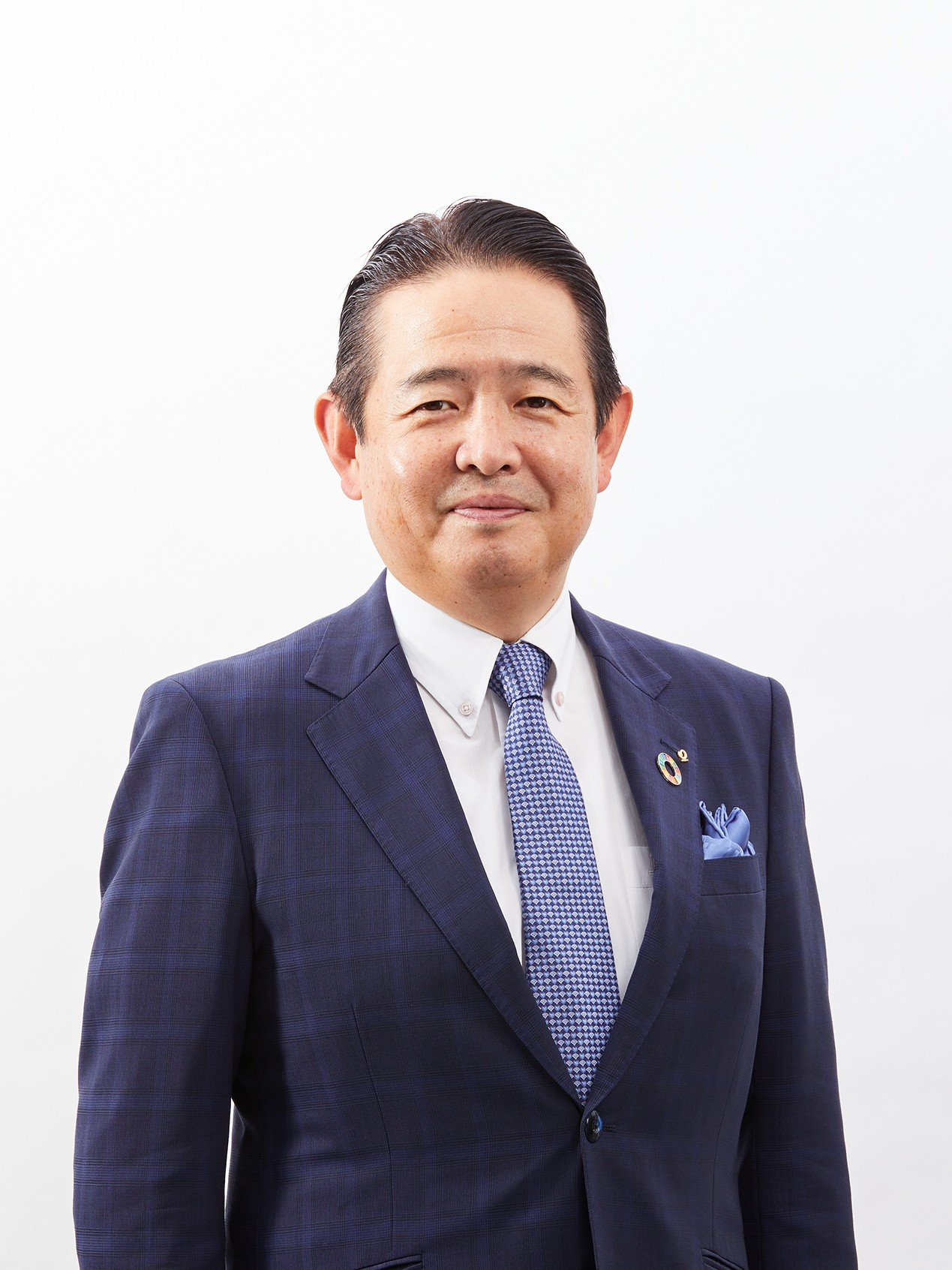 |
Kei Takeuchi, Representative Director, CEO, Daito Trust Construction Co., Ltd.
Kei Takeuchi joined Daito Trust Construction Co., Ltd. in April 1989 and spent many years in construction business sales, proposing effective land utilization solutions to landowners. After serving as Branch Manager and General Manager of the Metropolitan Area Construction Business Sales Department, he was appointed Director in June 2014, and has served as Representative Director and CEO since April 2023.
|
|
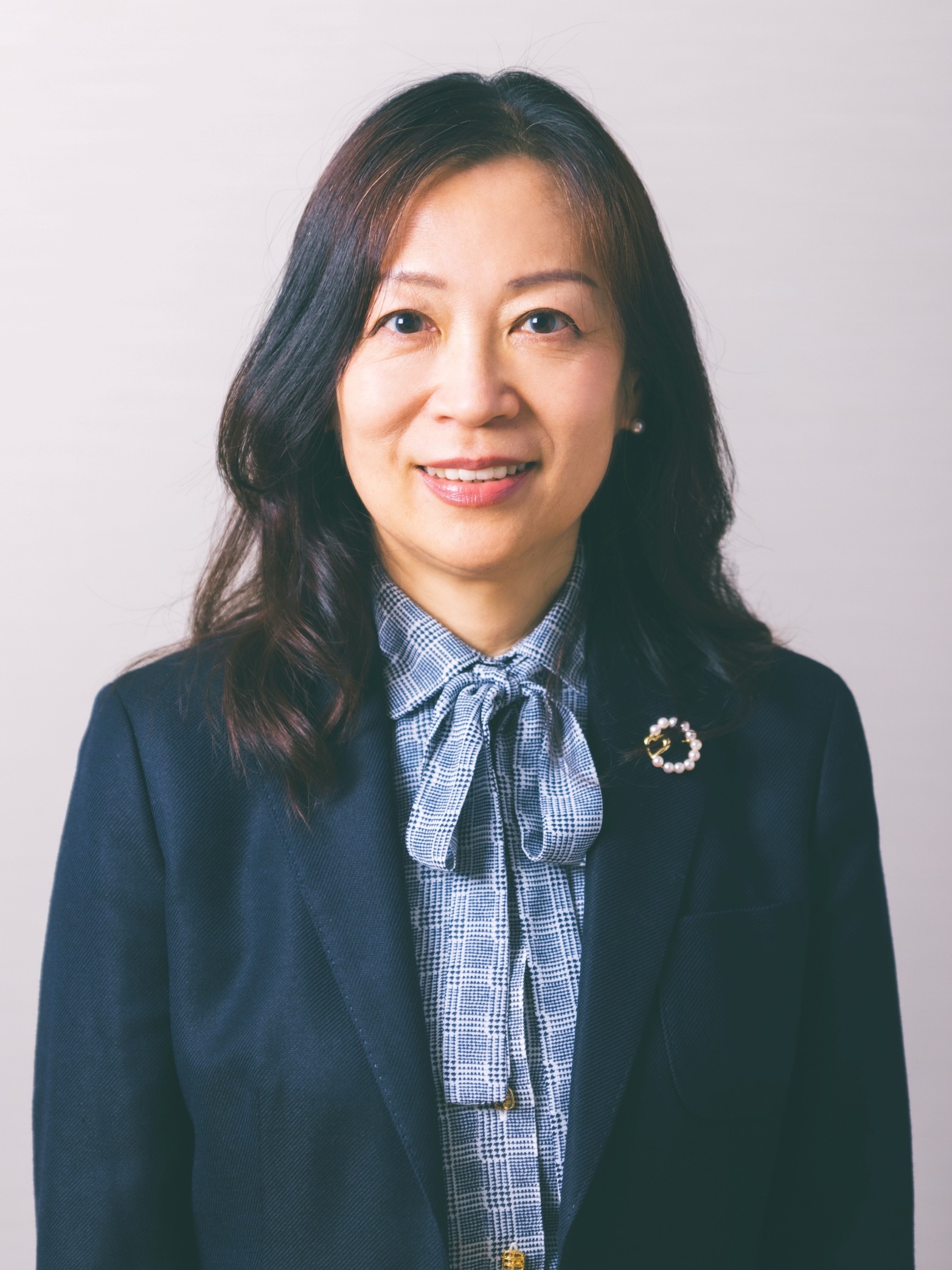 |
Emi Matsukawa, Marketing Director, CDP Japan
Since joining CDP in 2020, Emi Matsukawa has led the expansion of CDP’s Supply Chain Membership program in Japan and headed the Sales & Marketing function. She currently serves as Market Director, CDP Japan, where she leads market strategy and business development in Japan. A frequent speaker at industry events, she has also served as an expert committee member for Japan’s Ministry of the Environment and the Ministry of Economy, Trade and Industry. She holds a degree in Russian Studies from the Tokyo University of Foreign Studies. LinkedIn: Emi Matsukawa
|
|
|
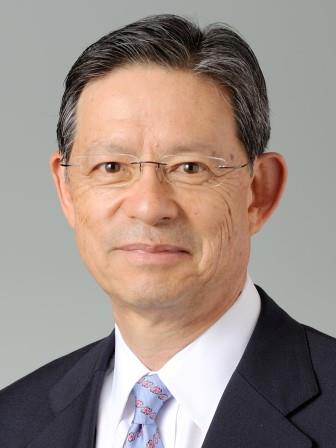
Takejiro Sueyoshi, Co-representative, Japan Climate Initiative
After graduating from University of Tokyo, Takejiro Sueyoshi joined the Mitsubishi Bank (MUFG Bank, Ltd.) in 1967 and worked for the bank until 1998. During his years with Nikko Asset Management as Deputy President, he was appointed as a member of the UNEP FI Steering Committee. In addition to the involvement in the UNEP FI activities in the Asia Pacific Region, he is giving many educational speeches about environmental problems and CSR/SRI in seminars, university classes and TV programs. Former member of the Council for Japan’s Prime Minister on Climate Change Policy and a Trustee member of Carbon Disclosure Project. Currently Vice-Chair of Executive Board of Renewable Energy Institute and Chairperson of WWF Japan.
|
|
 |
Tomomi Hirakami, Liaison Coordinator, Renewable Energy Institute
Tomomi Hirakami joined Renewable Energy Institute in 2023. Previously, she worked for Sumitomo Corporation, where she was involved in the OCTG trading business and worked with Japanese steelmakers and global energy companies. She was also in charge of ESG and CO2 emission measurement. |
■Past Japan Climate Action Summits (JCAS)
JCAS2025
JCAS2024
JCAS2023
JCAS2022
JCAS2021
JCAS2020
JCAS2019
JCAS2018
